
We just returned from four days at the BIO International Convention in San Diego — one of the most concentrated gatherings of biopharma leaders, CRO executives, and clinical development teams on the planet. We spent the week walking the floor, sitting in sessions, and having frank conversations with the people running clinical programs. What we heard reinforced everything we built GenPhase.ai to address. Below is an honest account of what we learned — and why it matters for the CROs and biopharma sponsors we work with.
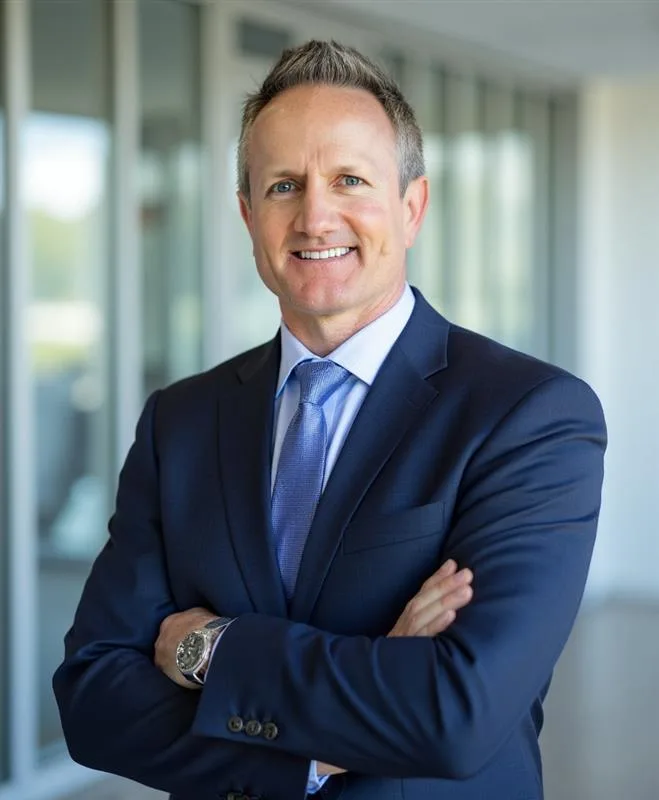
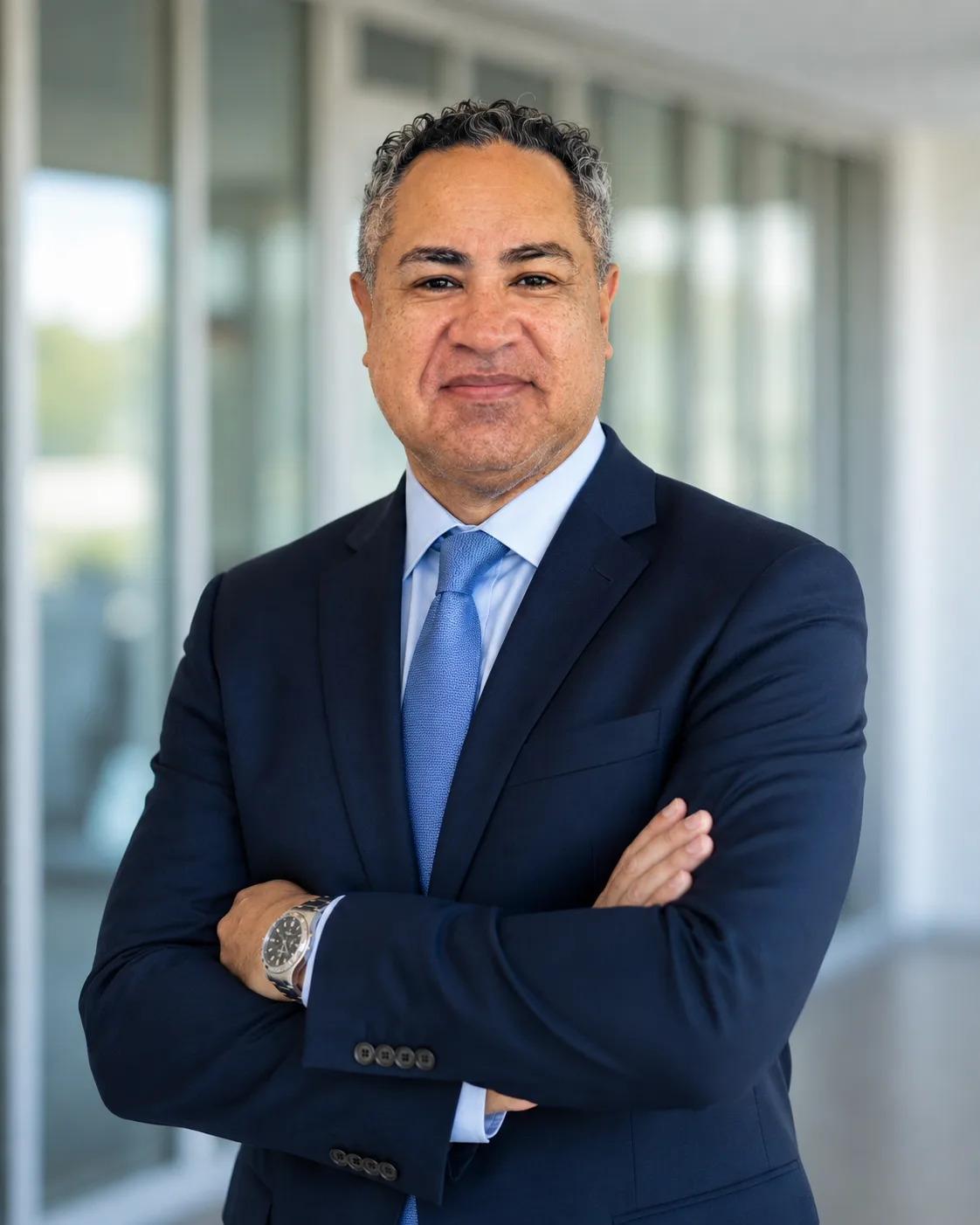
The conference was genuinely energetic — larger than I expected given some of the headwinds in biotech funding over the last few years. What struck me most was the volume of oncology programs across every stage. You had companies presenting Phase I data, companies signing partnerships for Phase III execution, and a whole ecosystem of CROs and service providers competing to support them.
The AI track was standing-room-only throughout Tuesday. There’s a real appetite for technology-enabled clinical operations — but also a lot of healthy skepticism about what AI in clinical trials actually means in practice versus what vendors claim.
What I kept hearing — from emerging biopharma founders especially — was a version of the same problem: they’d built their pipeline, secured their Series B or C, filed their IND, and then realized they had no real infrastructure for the imaging layer of their trial. Not because they hadn’t thought about it, but because imaging gets treated as an outsourced checkbox rather than a core clinical function.
Having spent time coordinating oncology trials at Sylvester, I know exactly how that gap compounds. You don’t notice it until you’re mid-study and your imaging reads are creating variability in your endpoint data. By then, the damage is already being done.
Oncology is still the dominant segment by a significant margin — and that means imaging is everywhere. RECIST-based tumor response endpoints are embedded in the majority of the Phase I and II programs we discussed. But what was notable this year was the breadth beyond traditional solid tumor oncology.
We had conversations touching on radiopharmaceutical programs, NASH liver imaging, cardiovascular MRI tied to GLP-1 programs, and several ophthalmology gene therapy companies whose retinal imaging protocols are genuinely complex. The imaging scope of a modern clinical trial is widening, and the infrastructure needed to support it hasn’t kept pace.
And neurology is accelerating fast. Multiple conversations we had referenced MRI volumetric endpoints in CNS programs — everything from Alzheimer’s and MS to rare pediatric neurological diseases. The imaging component in those trials isn’t a side task. In many cases it IS the endpoint. When the imaging infrastructure isn’t designed in from the beginning, you end up with inter-reader variability that creates noise right at the heart of your primary endpoint data.
CROs are under real pressure. The unbundling trend we’ve been tracking is playing out exactly as expected. Mid-size CROs are actively looking for specialist imaging sub-vendors because building a captive imaging capability themselves is expensive, slow, and not core to their competitive advantage.
Several conversations confirmed that CROs want a single accountable imaging partner — someone who owns the read, the QA, the audit trail, and the site activation timeline — without having to manage three separate vendors to get there. That’s precisely the gap GenPhase was designed to fill.
From a clinical standpoint, what resonated with CRO teams was the governance model. When I explained that every read in our network goes through ONIX AI’s protocol validation before it reaches a credentialed radiologist, and that every case event is timestamped in a 21 CFR Part 11 compliant audit chain, the response was relief more than excitement.
These aren’t glamorous features. They’re the features that keep a study out of trouble at FDA inspection. CROs that have been through an inspection know exactly what it means to have a fragmented audit trail. We had more than one person say “we wish we’d had this two studies ago.”
Speed and accountability. A Series B company running its first IND has a lean team — sometimes a head of clinical ops who is also the regulatory lead who is also managing the CRO relationship. They don’t have the bandwidth to manage imaging complexity on top of everything else.
What they need is a partner who activates quickly, is transparent about what they’re doing and why, and doesn’t disappear after contract signature. Having worked in that environment, I know the difference between a vendor who adds to your cognitive load and one who removes it. GenPhase is built to remove it.
The other thing I heard consistently from biopharma founders was pricing transparency. Legacy imaging CROs are notoriously opaque — you get a bundle price that’s hard to unpack and even harder to compare across vendors. Our model is modality-tiered and clearly itemized.
For a company presenting to their board every quarter on burn rate, knowing exactly what imaging costs per read and why is genuinely valuable. It’s a small thing that turns out to matter a lot.
The session — “In AI We Trust? The Shift from Calculator to Collaborator” — captured the tension perfectly. There’s enthusiasm about what AI can do in clinical development, but there’s a compliance-shaped ceiling on adoption. Buyers in this space are not going to deploy AI that creates a black box in their regulatory data package.
The model that resonated most with audiences was exactly what we’ve built: AI as the workflow governor, clinicians as the final decision-makers, and a complete audit trail covering both. Nobody in a clinical trial context wants AI replacing the radiologist. They want AI making the radiologist’s workflow faster, more consistent, and audit-ready.
This point is important from a patient safety standpoint too. In a clinical trial, imaging isn’t just operational — it informs treatment decisions and eligibility calls that affect real patients. The human-in-the-loop model isn’t a compliance concession. It’s the right way to do this.
Credentialed radiologists need to remain accountable for clinical reads. What GenPhase does is give those radiologists better infrastructure — better case routing, better QA before the read, better tools for documentation after it. The AI serves the clinician, not the other way around.
This one surprised me in terms of how much interest it generated when we raised it in conversations. One of ONIX AI’s capabilities is loading trial imaging protocol criteria — inclusion and exclusion criteria based on imaging findings — and screening an existing image archive before enrollment opens.
You get a radiologist-verified shortlist of patients who appear to meet imaging-based eligibility before the trial clock starts running. For companies that have been burned by slow enrollment on previous studies, this is an immediately tangible value. We had several conversations where this was the thing that shifted the discussion from general interest to “tell me more.”
From a trial operations perspective, screen-fail rates are one of the most underappreciated cost drivers in a clinical program. Every patient who enters screening but fails on an imaging criterion represents time, cost, and often patient burden.
If you can use imaging AI to narrow that pool upstream — with radiologist confirmation, so the shortlist is clinically defensible — you’re not just saving money. You’re running a better, more targeted trial.
Clinical trial imaging is at a genuine inflection point. The regulatory bar is rising — 21 CFR Part 11 enforcement is intensifying, ICH E6(R3) is now in effect in EMA jurisdictions, and FDA is increasingly focused on data integrity across the imaging chain.
At the same time, the therapeutic complexity of trials is increasing. More modalities, more endpoints, more geographic sites. The infrastructure that served the industry five years ago is not adequate for what sponsors are running today. The companies that recognize this now and build the right imaging partnerships will have a meaningful advantage in the quality and speed of their trial data.
My takeaway is that the market timing is right and the need is validated at every level of the clinical development ecosystem. Whether it was a CRO BD lead looking for a sub-vendor, a biopharma CMO wrestling with imaging endpoint design, or a clinical ops director who’d just been through an FDA inspection — every conversation confirmed the same thing.
The clinical trial imaging space needs a model that is AI-native, clinician-led, audit-ready, and built for the teams actually running trials today — not the enterprise pharma companies that legacy vendors were designed for. That’s GenPhase.ai.
We’re following up on a number of conversations from the week — both CRO sub-vendor discussions and direct biopharma engagements. If you’re a CRO or biopharma team we spoke with in San Diego, or you’re reading this and want to explore what a modern imaging partnership looks like, the best next step is a 20-minute discovery call.
We’re also continuing to build out our AI modality focus in the areas of oncology, neurology, ophthalmology, cardiometabolic GLP-1, Liver / NASH and radiopharmaceutical subspecialties — if that’s an area of interest, we’d love to connect.
And if you’re a clinical development leader who recognizes the imaging gap we’ve described — whether you’re running your first IND or your twentieth — I’m happy to talk through how this looks from a clinical operations standpoint. This is a problem I’ve lived on the trial coordination side, and it’s one GenPhase is genuinely built to solve.
Ready to talk about your imaging program?
Whether you’re a CRO looking for a specialist sub-vendor or a biopharma team planning your next trial, we’d love to connect.
Book a 20-Minute Discovery CallAbout GenPhase.ai
GenPhase.ai is an AI-native clinical imaging company providing end-to-end imaging execution for CROs and biopharma trials — powered by ONIX AI™ and led by credentialed radiologists. To learn more or discuss your imaging needs, reach out to Bill Draper on LinkedIn.
About Keleni Tukia, MD MBA MPH
Keleni Tukia serves as Clinical Partner at GenPhase.ai. His background spans oncology clinical trial coordination at the Sylvester Cancer Center (University of Miami) and clinical science leadership at Acepodia. He brings a rare combination of clinical medicine, business strategy, and public health expertise to the GenPhase mission.