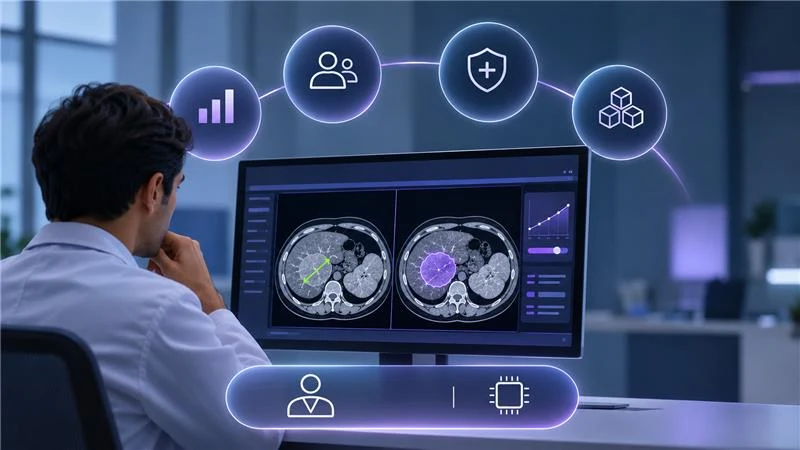
The Questions the Field Left Open
A working group this year set out how AI-enabled tumor assessment could support trial endpoints. The most useful part for a small sponsor is the list of questions it leaves open.
Read MoreFeatured writing from our team on the trends shaping enterprise transformation.
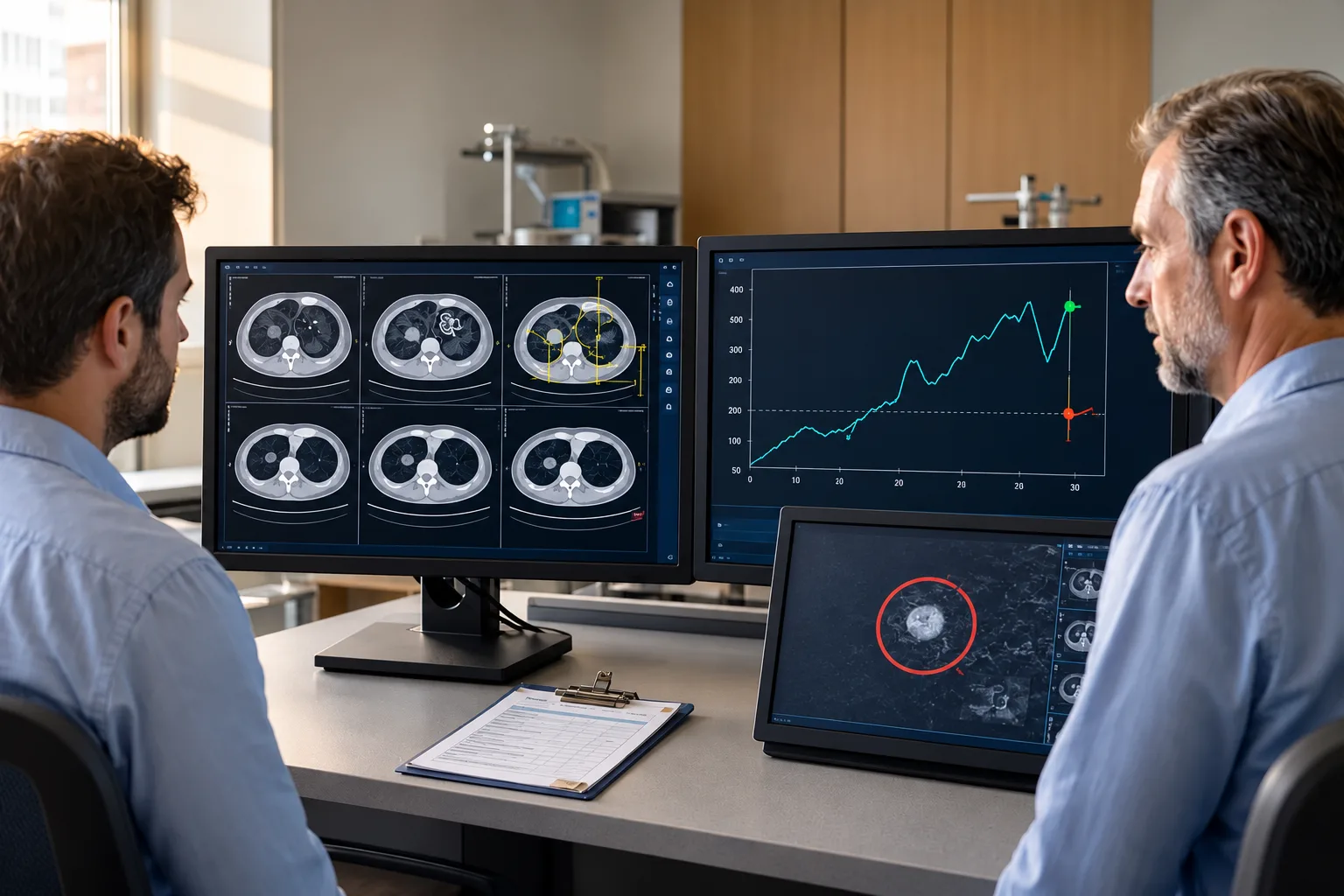
A working group this year set out how AI-enabled tumor assessment could support trial endpoints. The most useful part for a small sponsor is the list of questions it leaves open.
Read More

Progression is the call that ends treatment. Under immunotherapy it is the call most often made too early. What an independent progression read needs, and five questions to put to whoever reads your study.
Read More
A 28% reduction in sum of diameters is clinically meaningful. To an investor it is a miss. Why RECIST's thresholds strain under financing decisions they were never built for.
Read More
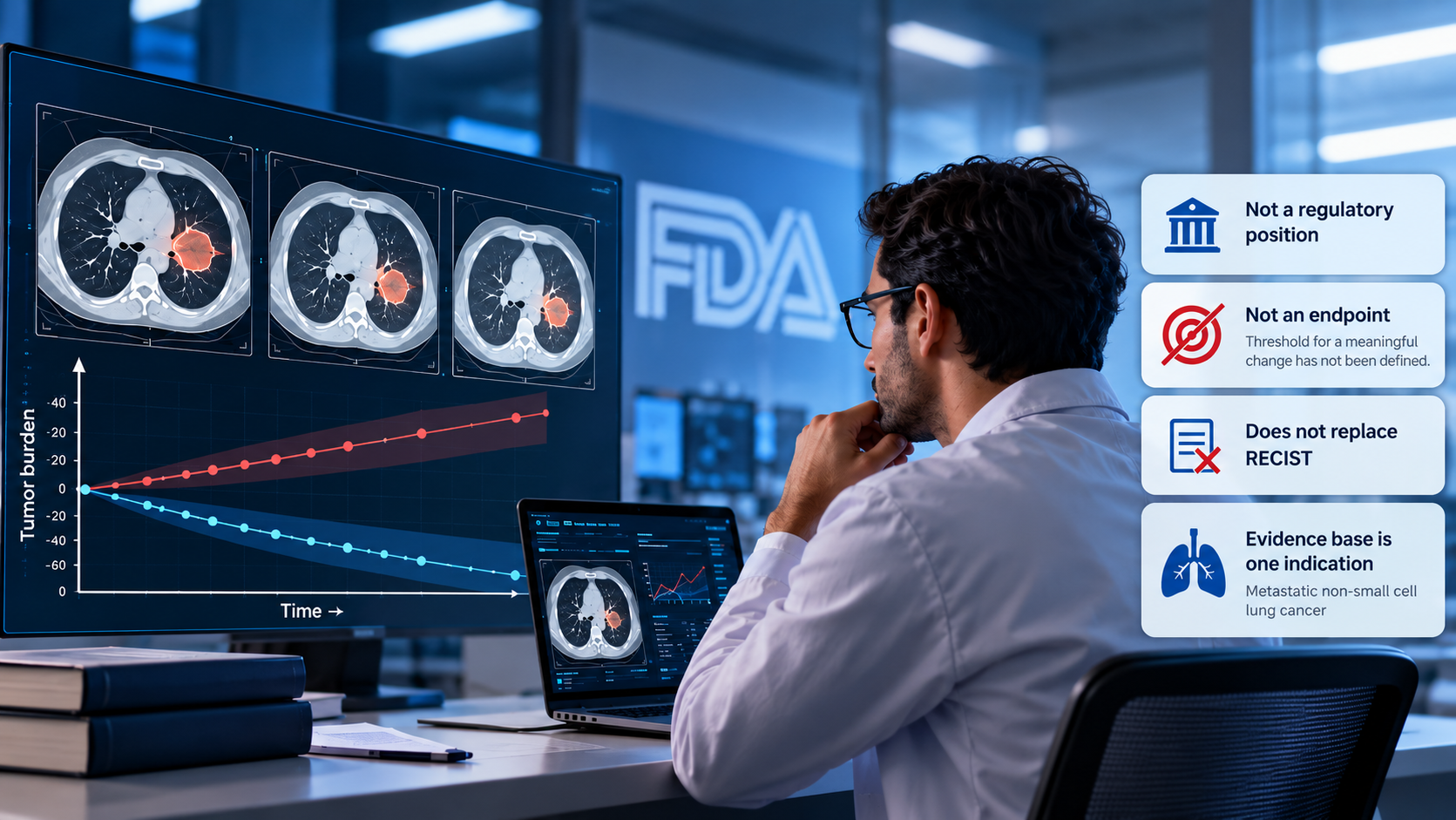
FDA investigators found tumor growth rate inversely associated with survival in metastatic NSCLC. What that finding actually supports — and the four things it does not establish.
Read More
Seven areas worth requiring specifics on before site activation, and the questions that get you those specifics — from acquisition deviations to who signs the report. Written for the sponsor, not about GenPhase.
Read More
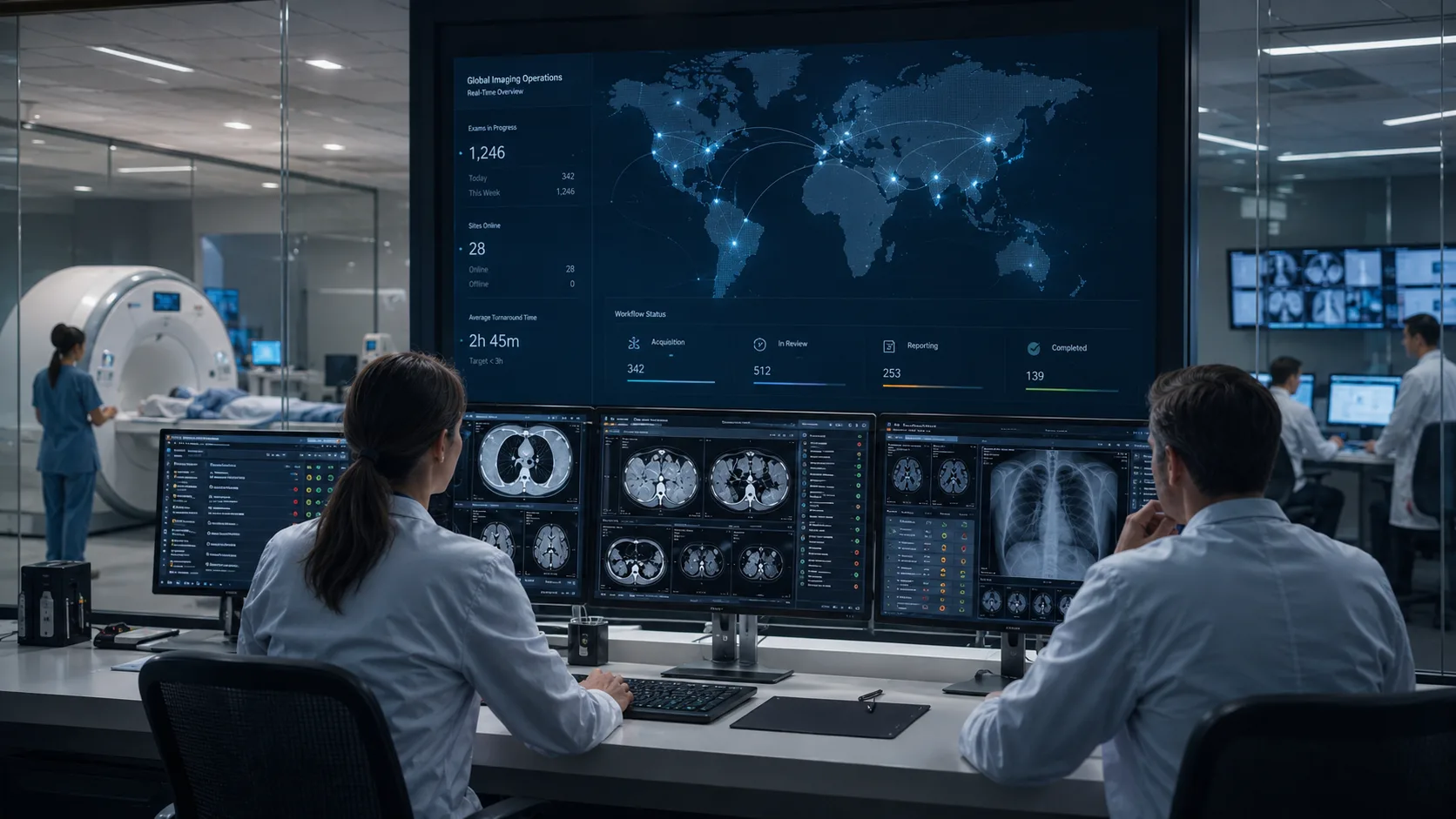
Where AI delivers measurable impact — strategic use cases, the economics of AI-native vs. legacy imaging operations, and a practical implementation roadmap.
Read More
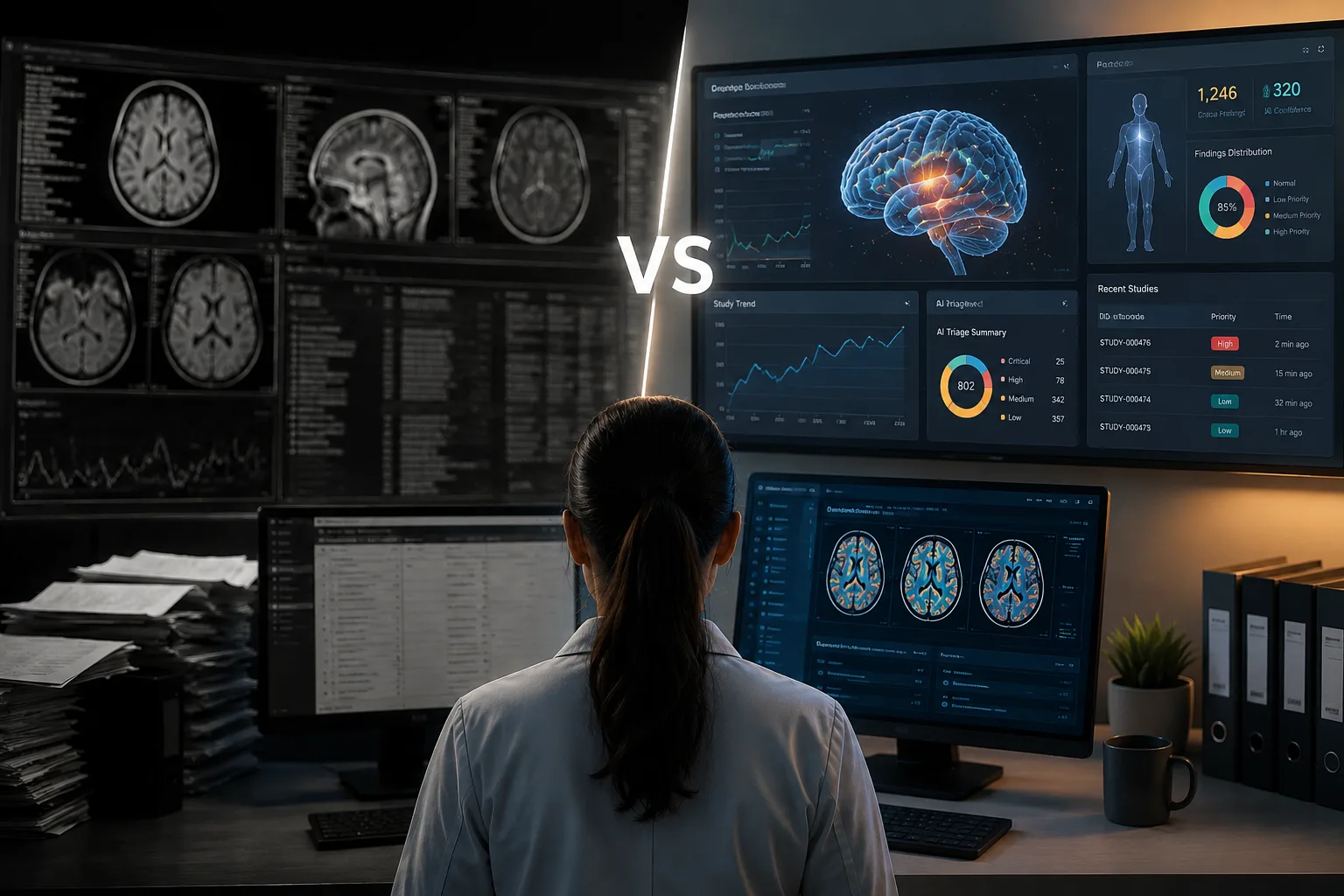
Early AI adoption automated isolated tasks. The real shift is a read environment built for imaging from the ground up — redesigning the workflow around better decision-making, predictive capability, and adaptive execution.
Read More
How ONIX AI, the platform the read runs on, is changing clinical imaging workflows — improving pre-read QC, case routing, structured reporting, and BICR management across multi-site trials.
Read More
A conversation with Bill Draper and Keleni Tukia, MD MBA MPH, on what they heard at the BIO International Convention 2026 in San Diego — and why clinical trial imaging is at a genuine inflection point.
Read More
Protocol deviations caught after a radiologist reads the scan cost time, inflate query volume, and create inspection risk. A protocol-aware pre-read QC gate changes all three — here’s how it works in practice.
Read More
AI can reduce manual workload and accelerate reads, but in regulated research it must not obscure clinician accountability. Here’s how to build workflows where AI amplifies clinical judgment while preserving GCP and 21 CFR Part 11 compliance.
Read More
As clinical trials become more complex and competitive, the role of medical imaging has never been more critical. If you’re experiencing any of these five red flags, it may be time to re-evaluate your imaging strategy.
Read More
Clinical research is becoming increasingly data-intensive and operationally complex. Medical imaging is playing a growing role in evaluating treatment efficacy, monitoring safety, and supporting regulatory submissions across a wide range of therapeutic areas.
Read More
Over the past several years, clinical imaging has evolved from a supporting trial function into a critical determinant of operational performance. In 2026, that shift is no longer emerging.
Read More